



"Logistics Management Training" Successfully Completed by Tarım Kredi Lojistik Employees
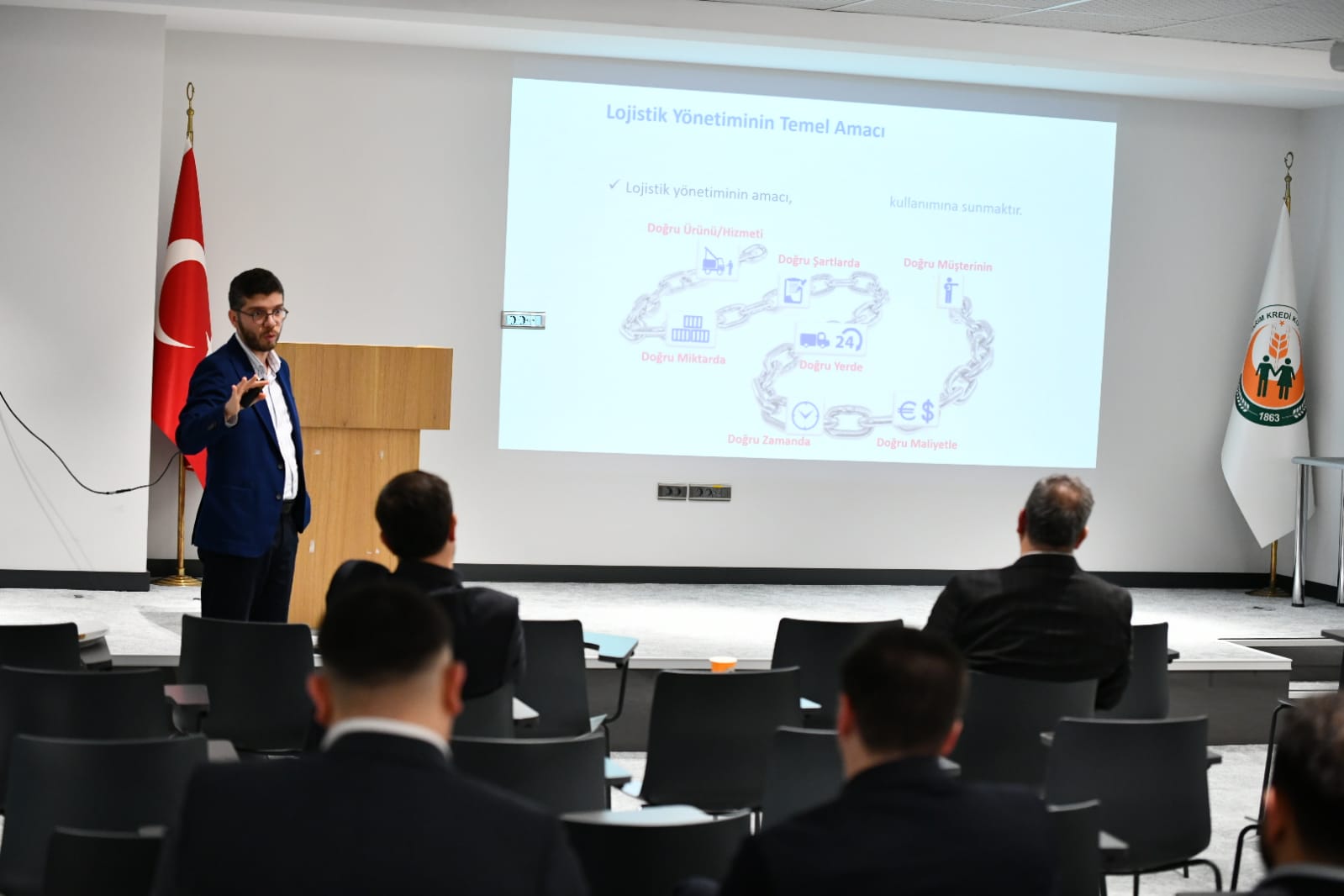
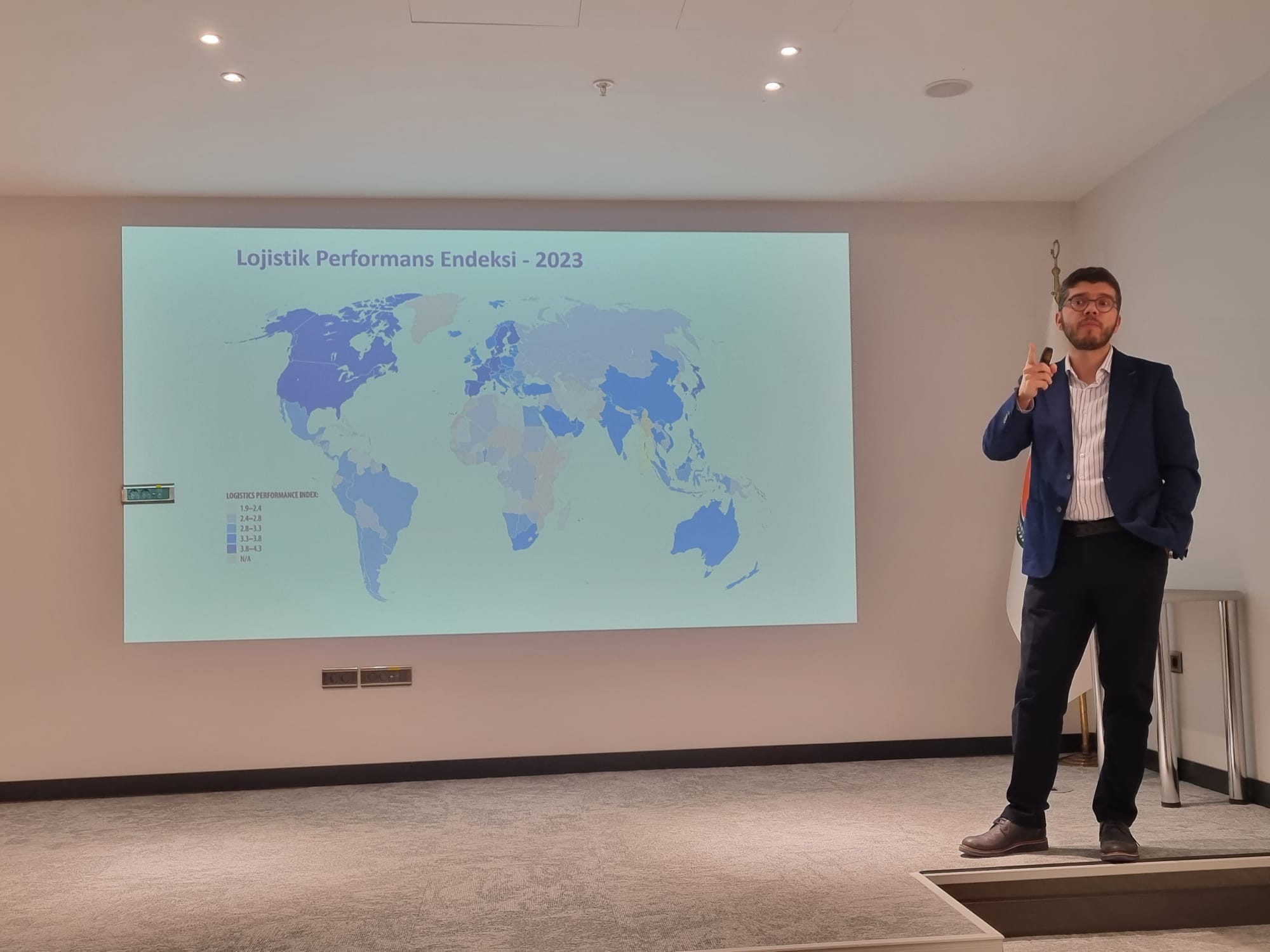
On Wednesday, December 11, 2024, the "Logistics Management Training" organized for Agriculture Credit Logistics employees, aimed at embracing innovative approaches in trade and logistics and keeping up with developments in the sector, was successfully completed at the Agriculture Credit Söğütözü Conference Hall. Assoc. Prof. Çağrı Koç from Hacettepe University's Department of Industrial Engineering provided participants with insights tailored to contemporary needs, receiving significant attention.
Throughout the event, comprehensive presentations were made on logistics management and the impact of information technologies on the sector. Innovations and strategies in transportation were shared with participants, facilitating an intense exchange of knowledge and experience among industry professionals.
Thanks to Assoc. Prof. Çağrı Koç’s impactful presentations and interactive approach, participants not only acquired new knowledge in logistics but also gained awareness of the importance of digital transformation in the sector.
Objective of the Training
Logistics encompasses planning, execution, and effective material and information flow in multi-stage production-distribution systems. The supply chain includes all suppliers, distributors, and customers involved in the production of goods or services. Supply chain management emphasizes the importance of coordination among different partners.
In an environment where globalization is accelerating, and competition among institutions is evolving into competition among logistics and supply chain systems, the purpose of this training is to teach the fundamental concepts and practices of logistics and supply chain management, raising awareness and building a foundational knowledge base for participants in these areas.
Logistics Management
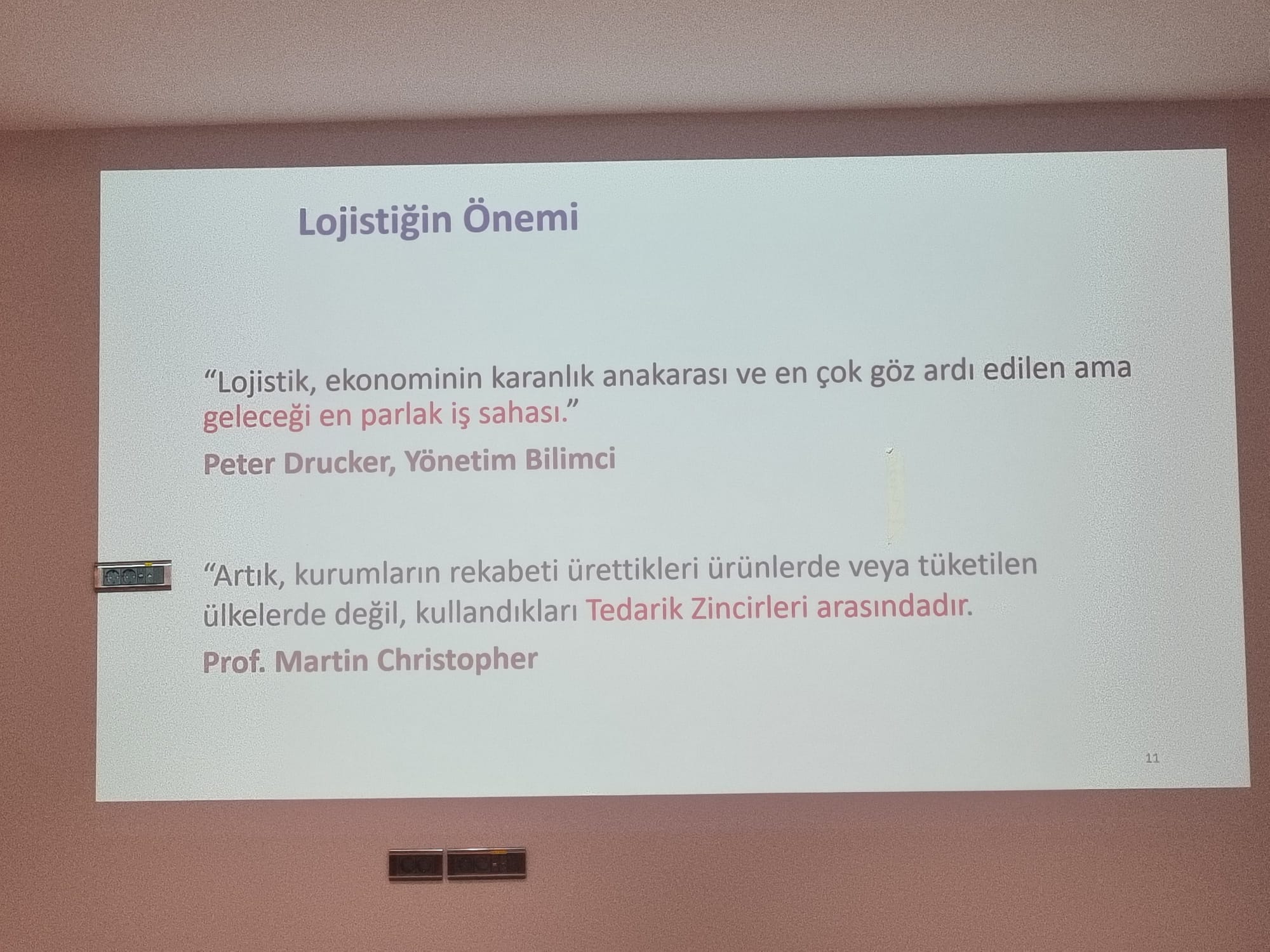
Importance of Logistics
Development of Logistics Activities
Objectives of Logistics Management
Internal Logistics Relations within Companies
Stock/Inventory Management
Milk-Run
Green Logistics
Reverse Logistics
Logistics Information Technologies
Information Systems
Principles of Logistics Information Systems
Digitalization in Logistics
General Types of Management Information Systems
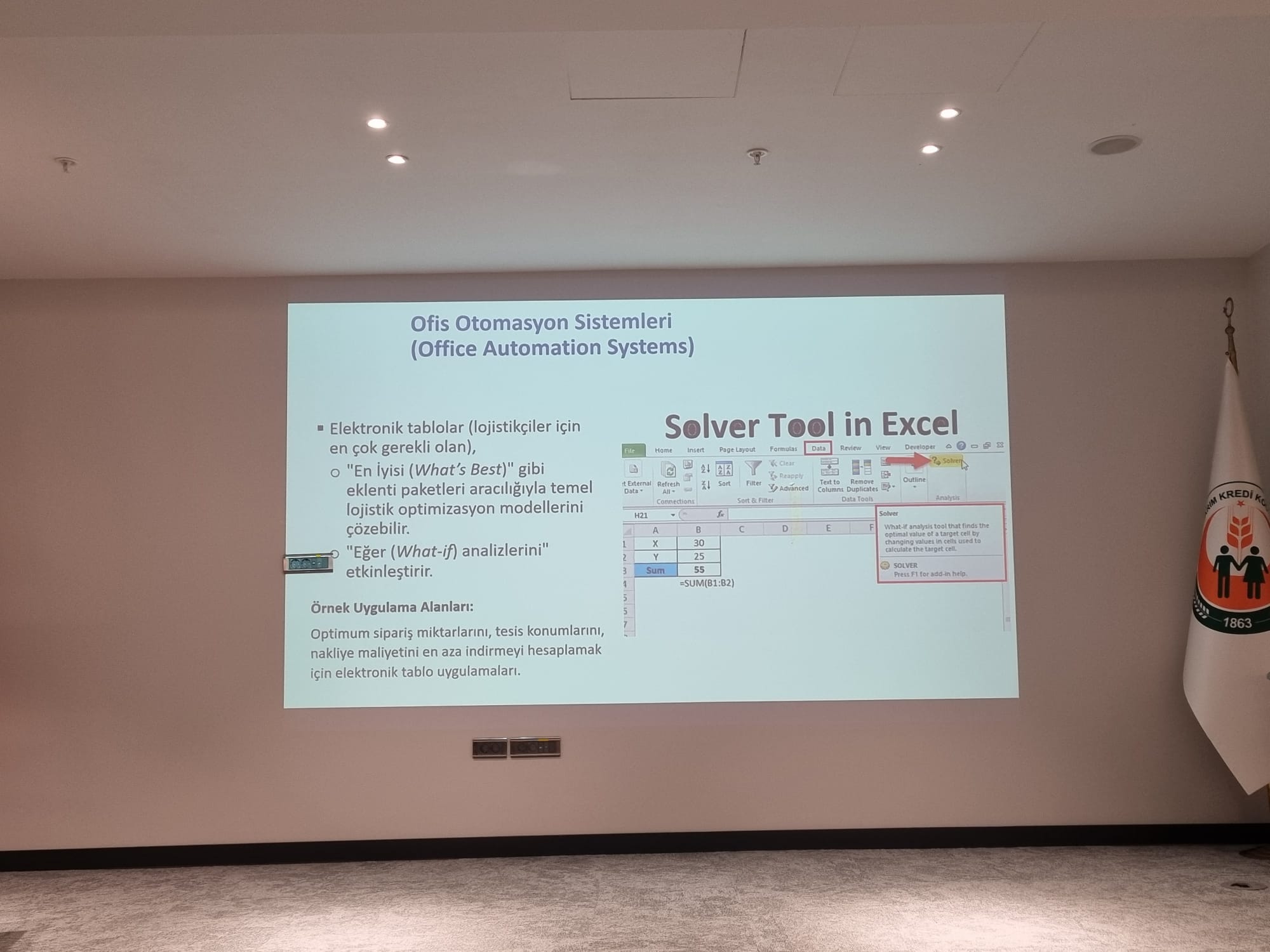
Office Automation Systems
Communication Systems
GPS - Global Positioning System
Movement Processing Systems
RFID
Decision Support Systems
Enterprise Resource Planning (ERP)
Internet of Things (IoT)
Route Optimization
Digitalization in Road Transport
Transportation
Transportation Modes
Transportation Networks
Constraints in Transportation Planning
Comparison of Transportation Modes
International Transport Management
Transport Actors
Logistics Service Providers
Characteristics of Transported Goods
Transport Vehicles
Single-Mode, Multi-Modal, and Combined Transport
Vehicle Loading Problem
Vehicle Routing Problem
Insurance
Legal Obligations and Regulations



Copyright © 2026 All rights belong to Tarım Kredi Lojistik A.Ş. a subsidiary of Tarım Kredi Holding.